
AI or human gameIn today’s fast-changing world, Artificial Intelligence (AI) is not just about machines doing tasks — it’s also becoming a big part of games and entertainment. One of the most exciting areas of growth is in AI and human game technologies, where AI plays, competes, or supports human players in games of all types.
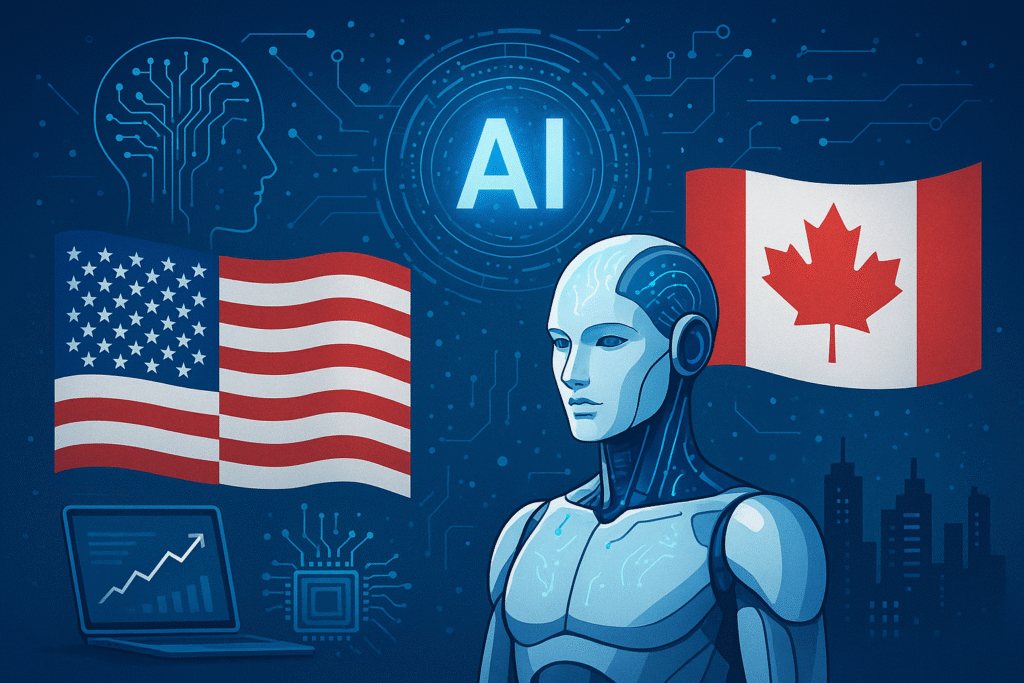
From smart opponents in video games to AI teammates in online competitions, this technology is becoming more realistic and more popular. And not surprisingly, premium countries like the United States and Canada are leading this trend. With strong technology systems, gaming industries, and innovative research, these nations are shaping the future of AI in gaming.
Let’s take a closer look at what this technology is, how it works, and why it is becoming so popular in countries like the USA and Canada.
What Is AI or Human Games?
AI in human game means using smart algorithms and machine learning to create game features that feel real. These features can include:
- Smart opponents (bots) that learn from your moves
- AI teammates that help you in games
- Voice-controlled characters that talk and respond
- Virtual reality games where AI controls parts of the world
- AI game masters that change the story based on your actions
These types of games are built to be challenging, realistic, and interactive. They give players the feeling that they are competing or teaming up with real people, even if those “people” are actually AI.
Why AI Gaming Is Popular in the USA and Canada
There are several reasons why the USA and Canada are leading the development and use of AI in gaming:
1. Strong Technology Infrastructure
Both countries have high-speed internet, powerful computers, and access to cloud gaming services. This allows games with advanced AI systems to run smoothly and effectively.
2. Large Gaming Community
Gaming is a massive industry in these countries. Millions of people play games on consoles, PCs, and smartphones every day. The demand for new and smarter games is always growing.
3. Innovation and Research
Top universities and tech companies in North America are researching AI and gaming. Many big gaming companies like Electronic Arts (EA), Ubisoft, and Activision Blizzard are based in the USA or Canada and are investing in AI development.
4. Economic Power
As wealthier countries, the USA and Canada can afford to fund large-scale gaming and AI projects. This helps in creating high-quality games that use advanced AI systems.
Types of AI or Human Games
AI or human game technology is used in many types of games. Here are a few examples:
Competitive Games
In games like Chess, Go, or Poker, AI systems can play against humans. In fact, AI has beaten some of the world’s best human players in these games. These games teach players and help them improve their skills.
First-Person Shooters (FPS) and Battle Games
In popular games like Call of Duty or Fortnite, AI bots are used when human players aren’t available. These bots are getting smarter — they can hide, attack, and even team up just like human players.
Role-Playing Games (RPGs)
In story-based games, AI characters respond based on your choices. The story changes depending on your actions, making every player’s experience unique. Games like The Elder Scrolls and Cyberpunk 2077 use this kind of AI.
Educational Games
In Canada and the USA, AI games are used in schools and training centers. These games teach math, language, and even social skills, while adjusting the difficulty based on the student’s performance.
Benefits of AI or human game
Using AI in games has many benefits, especially in premium countries:AI or human game
1. Better Player Experience
AI makes games feel more real. Players enjoy smarter challenges and more natural interactions with game characters.
2. Personalized Learning
AI can track how a player plays and adjust the game to suit their style. This is great for both fun and educational games.
3. 24/7 Gaming
AI bots are always ready to play. You don’t need to wait for other players to join.
4. More Inclusive Gaming
AI can help players with disabilities by offering voice control, reading text aloud, or guiding them through games in a simpler way.
Challenges of AI in Games
Even though AI adds a lot of value to games, it also comes with some issues:
1. Unfair Advantage
Some AI bots can be too strong or cheat, especially in online games. This makes the game less fun for human players.
2. Privacy Concerns
AI systems collect data on how players behave. If not managed well, this can raise privacy issues.
3. Cost of Development
Creating smart AI for games is expensive. This is why it is mostly done in premium countries with more resources AI or human game.
The Future of AI or human game
The future AI or human game looks exciting. Soon, we may have AI teammates that talk like real people, or game worlds that build themselves based on your emotions or actions. We may even see AI game designers that can create new levels, missions, and stories in real-time.
In the USA and Canada, developers are working on emotion-based AI, where the game changes depending on how you feel — using facial expressions or voice tone.
Also, with cloud gaming and virtual realityAI or human game, AI will play a big part in creating full 3D worlds where humans and AI interact closely.
Conclusion
AI and human game technologies are changing the way we play. They bring smarter opponents, better stories, and more exciting experiences to gamers. Premium countries like the USA and Canada are leading this revolution thanks to their strong tech background, creative industries, and active gaming communities.
As AI continues to grow, gaming will become even more interactive, personalized, and lifelike. While there are challenges, the potential is huge — and the game has only just begun.
